
Safe Child Care Tools
Choosing Safe, Quality Child Care: Know Your Options & Ask Questions!
Finding the right child care, whether it’s in a licensed program or with a trusted friend or family member, is a big decision.
This page can help you:
- Learn what it means to be a licensed child care provider (and when providers don't need a license)
- Know when a caregiver must have a license to watch children
- Ask the right questions to make sure your child is safe — no matter what kind of care you choose
- Get free help finding licensed child care and researching programs
- Speak up if a child care situation doesn’t seem safe
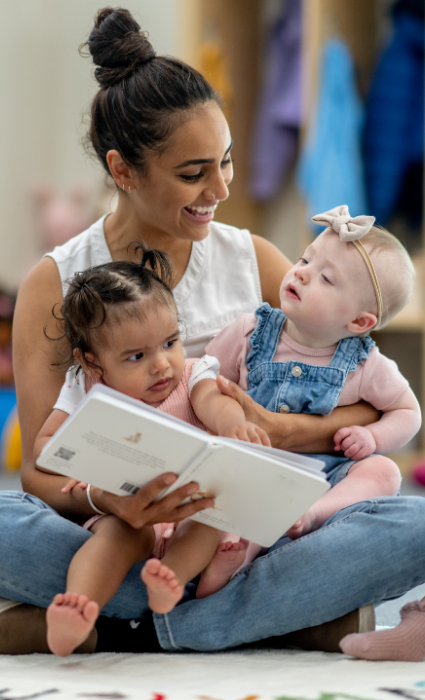
Licensed child care programs include centers and some programs based in the provider’s home. Licensed child care programs receive regular inspections and must meet state requirements for health, safety, and provider training.
Some child care providers are license-exempt, or not required to have a license. Many Colorado families choose child care provided by a family member, friend, nanny, or neighbor (FFN), which is one type of license-exempt child care situation. These license-exempt providers do not receive the same inspections as licensed programs, but they must still follow state laws designed to keep children safe:
- Home-based license-exempt providers can care for a maximum of four children who are unrelated to each other. No more than two of the children can be under age 2.
- Home-based license-exempt providers can care for children who are related to them (such as their own child or grandchild) as well as children from one other family.
A license is required when a caregiver watches more than four children from more than one family on a regular basis. Click on the links below for more information on when a child care provider is — and is not — required to have a license.
Not sure what to look for in a child care setting? These checklists can help.
Whether you're considering a licensed child care program or a family member, friend, neighbor, or other home-based license-exempt provider watching your child, it's important that you feel confident that the environment is safe.
Use these checklists as a guide to ask questions, observe the setting, and make the best choice for your family. Choose the checklist that matches the type of care you're exploring:
- For Families: Child Care Center Checklist
- For Families: Family Child Care Home Checklist
- For Families: Exempt Child Care Checklist
If you're short on time, make sure to ask these four key questions:
Safety: Is the space safe for kids? Is the baby's sleep area safe?
Training: Has the provider had training in CPR, first aid, and child development?
Daily Activities: What will my child do during the day? Will they be active and learning?
Emergencies: What's the provider’s plan if a child gets hurt or there's an emergency?
Call 2-1-1 to talk to a child care navigator. Or you can fill out this online form or send an email to childcarereferrals@unitedwaydenver.org. (This is a free service.)
You can also visit ColoradoShines.com to search for licensed and quality-rated child care programs near you.
Yes, at ColoradoShines.com/search, you can see if a provider is licensed, review inspection history, and check a program’s quality rating.
Each licensed child care program in the state gets a Colorado Shines rating from Level 1 to Level 5:
- Level 1 means the program is licensed.
- Levels 2–5 show the program went through a voluntary process to demonstrate quality and earn a higher rating.
Once you search for a program, click the blue "VIEW DETAILS" button to see important reports.
Here’s what you’ll find:
Inspection Reports - These include yearly check-ins and any reports of potential rule violations.
Complaints - If someone made a complaint, you’ll see a report that explains what happened and whether the complaint was true.
Child Abuse or Neglect Investigations (Stage II) - If there’s a report here, it means there was a serious concern. First, the county investigates (Stage I), then the state checks for any broken rules (Stage II). This is important to read.
Need help reading the reports? Call 1-800-799-5876.
Injury Reports - If a child was hurt at the program, there will be a report. Read this carefully.
License Changes - If a program had serious issues, its license could be put on probation or taken away. If a program is back to a regular license, it means they fixed the issues.
Want more information? You can ask for a public file review to see a program’s full history.
Caregivers who operate outside the law will face legal consequences — but more importantly, they are putting children at risk.
Watch for red flags that might signal an unsafe or poor quality child care setting, such as:
- A lack of transparency or providers avoiding questions
- Providers requiring cash payments
- Asking that a family call/text before coming to pick their child up
- Rotating or untrained caregivers
- Unsanitary or unsafe environment
- Poor communication
- Changing locations of care
- No clear policy on discipline or emergency procedures
If you think someone is offering illegal child care or if you're worried about safety, call the Colorado Department of Early Childhood at 303-866-5958 to make a confidential report.
Providing child care that requires a license without a license is illegal and those responsible will face legal consequences. Download the fact sheet below for more information.
The Colorado Safe Child Care Task Force was formed to recommend necessary reforms in child care settings to keep children safe, inform parents and care providers about licensed and unlicensed care options, and work to help prevent illegal child care.
View the list of voting members. The task force reviewed local laws and regulations as well as national best practice models to make recommendations for reforms in Colorado.